Caffeine's half-life averages 5 hours, so that 3 p.m. Americano still hums at 8. A caffeine-free tea ritual gives your evening a cue it can trust.
Think less beverage, more signal. You switch off bright screens by 9:15 and pick a gentle herbal blend, maybe chamomile with a touch of citrus peel, letting the room dim itself while your shoulders drop a notch. Then linger as water goes quiet below a boil, around 190 degrees, not rolling, just a soft hush in the kettle. Steam and ceramic, small anchors you can feel. What if your nights actually trained your body to power down on cue? That’s the idea behind a caffeine-free tea ritual, and it’s the same rhythm a pre-launch outfit like Brindlecove Tea Company is building into its three-blend box for wind-down evenings later in 2026, focused on sleep and stress relief. And you stop bracing for sleep to arrive like a deadline, because the drift starts earlier, almost on schedule.
This isn’t about rare leaves or fussy gear. It’s about a repeatable cue you can keep for 14 nights, then watch your 10 p.m. Self exhale on reflex. Consistency beats mystique.
Your Caffeine-Free Tea Ritual: A Step-by-Step Evening Blueprint
Make this a repeatable signal. Aim for consistency over perfection, 3, 5 nights each week teaches your body to expect quiet. And pair the ritual with multi-sensory cues, a favorite mug, a small tray, a warm lamp, a soft soundscape, never bright screens. Choose caffeine-free botanicals you enjoy, like rooibos, chamomile, or peppermint, which are naturally free of caffeine per this herbal tea guide. The point is reliability, not ceremony. Brindlecove Tea Company will lean into this rhythm with a three-blend wind-down box, but your home setup can cue the same exhale.
Name the flow so your brain remembers it: Prepare > Brew > Breathe > Sip > Unplug > Reflect. The 5-minute micro-ritual, boil, inhale the aroma for 60 seconds, take 4, 6 slow nasal breaths, then sip in low light. For a 15-minute version, add a gentle shoulder and neck stretch or read a single page, then write one line in a journal. You can keep it simple and still be precise on leaves and water, as this beginner’s caffeine-free guide shows. What changes when scent, breath, and heat become your cue instead of notifications?
Here’s a short clip showing three caffeine-free evening tea rituals, from quick to unhurried:
Timebox bedtime with a simple schedule.
| T-minus | Action |
|---|---|
| T-60 | Dim lights, fill the kettle, lay out mug, tray, and infuser. |
| T-30 | Silence notifications, set the phone aside, pick your blend. |
| T-15 | Sip, read a page, stretch lightly, then journal one line. |
Habit stacking
- Set mug and infuser by the kettle after dinner.
- Charge your phone outside the bedroom.
Start tonight checklist
- Mug
- Kettle
- Loose-leaf herbal blend
- Simple infuser
- Timer card (index card with 5- and 15-minute steps)
Decaf vs. Caffeine-Free: Night-Safe Sipping, Explained
Tea words get slippery at night. Herbal infusions, often called tisanes, come from leaves, flowers, roots, and spices that are naturally free of caffeine, as guides like this naturally non-caffeinated overview explain. True teas, black, green, oolong, and white, all come from Camellia sinensis and contain caffeine. Decaf tea is processed to remove most caffeine, but trace amounts remain; it isn’t the same as caffeine-free, as any beginner’s caffeine-free guide will remind you. But decaf isn’t zero. If you fall asleep easily, that trace might not matter. If you’re waking at 2 a.m., it might.
| Beverage | Caffeine status | Night note |
|---|---|---|
| Herbal tisanes, like chamomile, rooibos, lemon balm | Caffeine-free | Safe evening default; choose blends labeled caffeine-free |
| True teas, black/green/oolong/white | Caffeinated | Best skipped after mid afternoon |
| Decaf true tea | Low caffeine, not zero | Often fine for some, risky for sensitive sleepers |
| Yerba mate or guayusa | Naturally caffeinated | Avoid late, even in blends |
| Cocoa nibs or cacao shells | Theobromine, small caffeine | Can feel stimulating close to bed |
Caffeine’s half-life averages about 5 hours in healthy adults. Many sleepers feel better if they stop caffeine 6 to 8 hours before bed. If lights out is 10 p.m., common cutoffs land between 2 and 4 p.m. So when should you cut it off? Err earlier on stressful days.
Label checks and late-night picks
- Choose blends clearly marked caffeine-free; curated lists like this caffeine-free collection help.
- Read the ingredient panel. Avoid yerba mate, guayusa, and cocoa nibs late.
- Sensitive sleeper? Verify everything, and skip assertive menthol if it revs you.
- Favor gentle cues like chamomile, tulsi, rooibos, lemon balm.
- Brindlecove Tea Company sticks to caffeine-free herbs for its evening boxes.
Brew It Right for Night: Simple Ratios, Temps, and Tools
Start simple. Use a heaping teaspoon, about 2 to 3 grams, per 8 ounces of water. Bring water to a full boil, then pour over the leaves and cover the mug or teapot while it steeps to trap aroma. Want it stronger? Increase leaves slightly rather than pushing time into bitterness.
| Herbal type | Steep time | Notes |
|---|---|---|
| Most herbals, mixed blends | 5, 8 minutes | Cover while steeping for fuller aromatics |
| Rooibos or honeybush | 5, 7 minutes | Naturally sweet, good late-night base |
| Florals, like chamomile or lavender | 4, 6 minutes | Gentle flavors get loud if overdone |
Why cover the cup? Heat and vapor carry volatile oils you actually want in the liquor, not the kitchen air. And yes, a standard scoop helps keep dosing consistent on sleepy nights.
Tools, water, and small tweaks
- Gear: a wide infuser basket or a reusable filter gives herbs room to bloom. No special kettle required.
- Water: if your tap tastes flat or chlorinated, switch to fresh, filtered water. Prewarm the mug. It keeps steep temps stable.
- GERD-sensitive picks: choose mint-free blends and stick with rooibos, chamomile, or honeybush. Skip acidic add-ins and late citrus. Caffeine-free guides from big houses confirm these gentle choices by name.
- Cold-steep: about 1 tablespoon per 12 ounces, refrigerate 4 to 8 hours for smooth, low-bite sips. Bird & Blend’s starters echo these ratios and timing for tisanes clearly.
- Add-ins: a tiny honey drizzle or a light splash of milk. Keep sugars and desserts minimal if sleep is the goal.
- Storage: airtight, dry, dark. Date each jar, enjoy within 6 to 12 months for best aroma.
Gentle Botanicals and Flavor Design for Evenings
Evening flavor design is gentler than daytime blends. You want round sweetness, low bitterness, and aromas that cue wind-down. Brindlecove Tea Company builds around botanicals that play softly but carry clear character. Why fight your nervous system at 9:30 p.m.?
- Chamomile: soft apple-honey aroma; classic calm cue.
- Lemon balm: bright, lemony herb; easygoing evening flavor.
- Passionflower: herbaceous nuance; pairs well with citrus peel.
- Lavender: floral top note; use lightly to avoid perfumey cups.
- Rooibos & honeybush: smooth, naturally caffeine-free bases; take vanilla, soft spice, or citrus beautifully, a point big guides make explicitly.
- Tulsi (holy basil): aromatic, grounding; distinct clove-basil note, blend with citrus or vanilla.
| Layer | Role | Example picks |
|---|---|---|
| Base | Body, gentle sweetness | Rooibos, honeybush |
| Accent | Core flavor thread | Orange peel, lemon balm, chamomile |
| Light top note | Lift, quick aroma release | Lavender, a whisper only |
Cozy profiles to reach for: vanilla, soft spice, citrus peel, gentle mint; keep flavors round and low-bitter. What to minimize late: strong menthol, cocoa nibs with theobromine, and heavy licorice sweetness. Bird & Blend’s beginner tips sketch out approachable caffeine-free pairings and ratios clearly. And if you want ritual cues, an evening-tea clip can nudge your brain toward rest without the buzz. If you have blood pressure concerns with licorice, or you’re pregnant or on meds, consult a professional.
Your Three-Blend Weekly Wind-Down Map (Brindlecove’s System)
Match flavor to the moment, then let repetition do the work. Which cup quiets you fastest?
| Moment | Blend | Quick cue |
|---|---|---|
| After-work decompress | Floral-citrus | Orange peel, tiny lavender. Bright, not perfumey. |
| Post-kids’ 5-min reset | Vanilla-rooibos | Round, quick, caffeine free per this herbal guide. |
| Lights out easing | Lemon balm, passionflower, chamomile | Bedtime trio, popular in caffeine-free tips. |
Starter plan:
- Nights 1, 2 floral-citrus.
- Nights 3, 4 vanilla-rooibos.
- Nights 5, 6 herb-forward.
- Night 7 repeat your favorite.
Rotation idea: M/T decompress, W comfort, Th decompress, F comfort, Sa/Su lights out, or run 3, 5 nights weekly.
Aroma-first minute: inhale steam for 60 seconds with 4, 6 slow breaths, or a 4-7-8 cycle, a cue you can see in evening-tea rituals.
And keep quick notes on aroma, taste, and how settled you felt; pick an anchor blend to repeat.
Low-cost kit and friction reducers:
- Favorite mug, small tray, timer or steep card, lights-low fridge reminder.
- Set gear after dinner; make a "No-Scroll 30" zone.
With 30, 45 servings a month, each cup can be under 1 dollar, pending real fill weights. Brindlecove Tea Company’s evening ritual box adds a printed 7-night plan, steeping guide, reusable infuser option, and flexible skip or pause.
Seasonal Tweaks and Safety: Adapt Your Ritual with Confidence
Let the calendar steer flavor and method. Warm nights don't need heat; January deserves longer steeps that feel like a blanket.
| Season | Flavor focus | Prep tweak |
|---|---|---|
| Winter | Vanilla with warming spice | 8-10 minute steeps, covered; drink hot. |
| Spring | Bright citrus and mint | 5-7 minute steeps; serve warm or cool. |
| Late summer | Floral with honey hints | Cold steep 6-10 hours, or room temp 45-60 minutes. |
| Fall | Apple peel, cinnamon, chamomile | 7-9 minute steeps; strain into a preheated mug. |
- Dim earlier in darker months; cut screens 45-60 minutes before tea; use a soft lamp instead of candles in shared spaces.
- Prefer mint-free or low-acid sips? Try rooibos, chamomile, or gentle fruit peels; many are naturally caffeine free per this herbal guide.
- See starter tips for bedtime herbs.
- Check labels for licorice if you monitor blood pressure. And if pregnant, nursing, managing a condition, or on medications, consult a clinician.
Ready to cue a calmer caffeine-free evening ritual?
Build your nightly tea signal with Brindlecove Tea Company caffeine-free loose-leaf blends, inspired by this guide. Thoughtful herbs like chamomile and citrus peel, temperature tips, and a flexible subscription make winding down simple and repeatable.
Pause or cancel anytime. No hidden fees.
Frequently Asked Questions
Which herbs suit a caffeine-free tea ritual at night?
Try chamomile, rooibos, lemon balm, and passionflower; they're caffeine free and steady, good for 20, 30 minutes of quiet. Who wants jitters at 10 p.m.?
How late should I drink herbal tea before bed?
Stop 60, 90 minutes before lights out to reduce wake-ups. If you're up at 2 a.m., shift the cup to 19:30 for a week.
What temps and times keep flavor without bitterness?
Use 2 g per 200 ml; rooibos likes 95°C for 6 minutes, chamomile 90°C for 4, peppermint 80°C for 3. And start a timer app v2.1 so you don't oversteep.
How do I make the ritual stick every evening?
Tie it to a cue, like closing your laptop at 21:15, then boil water. But set a recurring 21:10 alarm and silence notifications. Simple ritual.
Sources
- Caffeine-Free Tea Guide: Naturally Non-Caffeinated Herbal Blends, # Caffeine-Free Tea Guide
Caffeine-free teas are a popular choice for people looking to enjoy a warm beverage without the stimulating effects of caffeine. Many herbal teas are naturally caffeine-free and come in a wide range of flavors, making them a popular option for evening routines and everyday enjoyment. Understanding the difference between traditional teas and herbal teas can help you choose the caffeine-free tea that's right for your preferences and lifestyle.
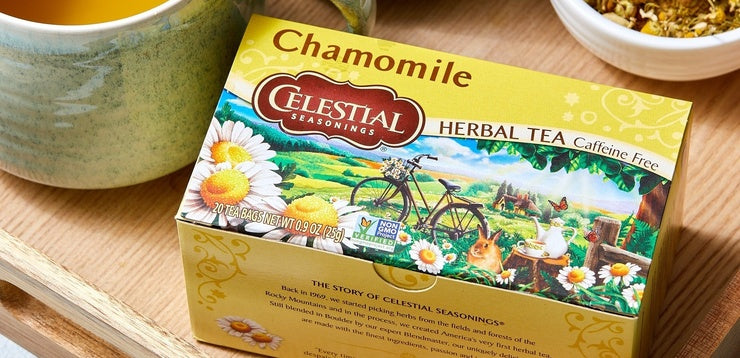
Types of Naturally Caffeine-Free Tea
Chamomile Teas
A delicate floral herbal tea that's naturally caffeine-free and one of the most popular choices for evening enjoyment.
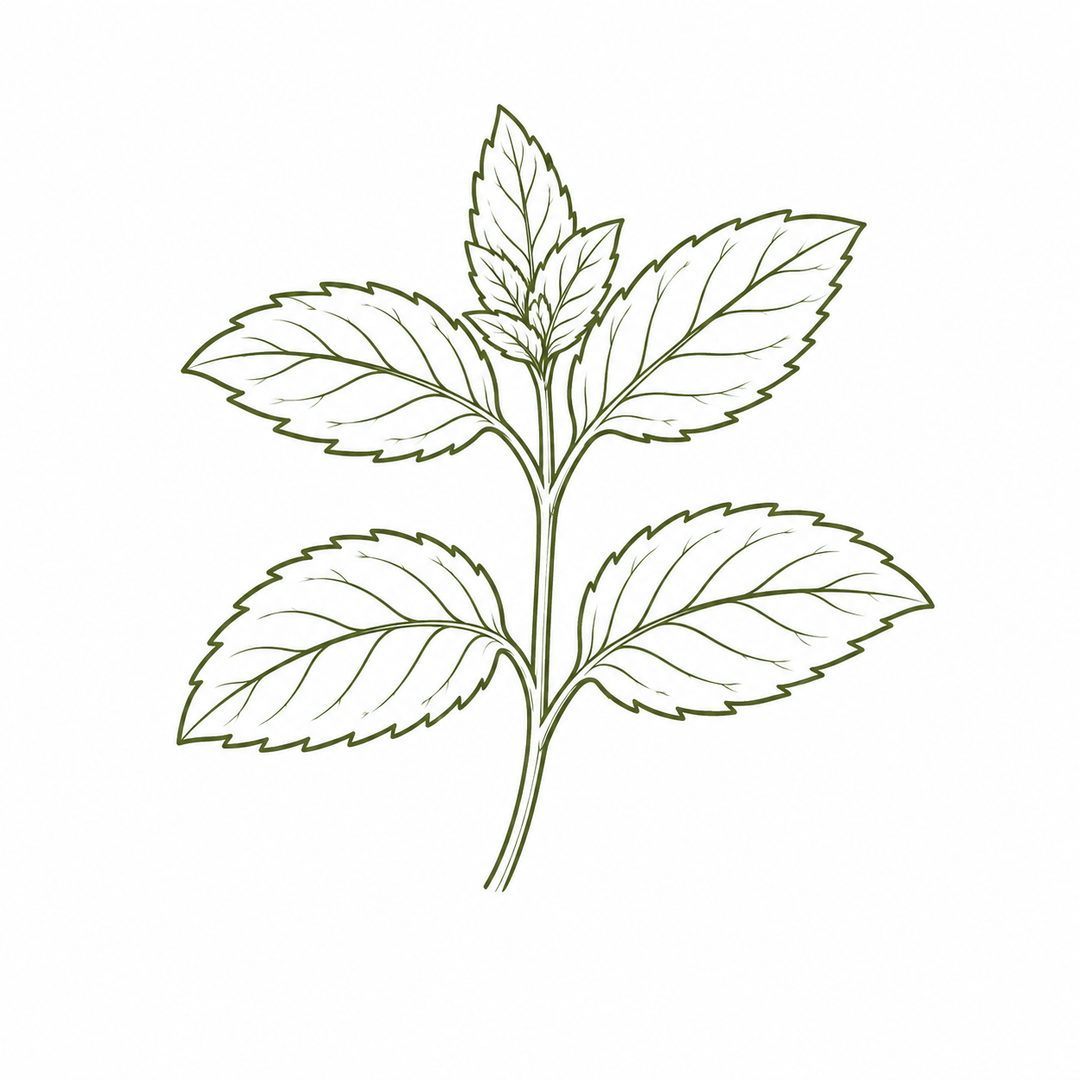
Bedtime Teas
Many bedtime teas are naturally caffeine-free herbal blends featuring ingredients like chamomile, spearmint, and other botanicals commonly enjoyed as part of an evening routine.
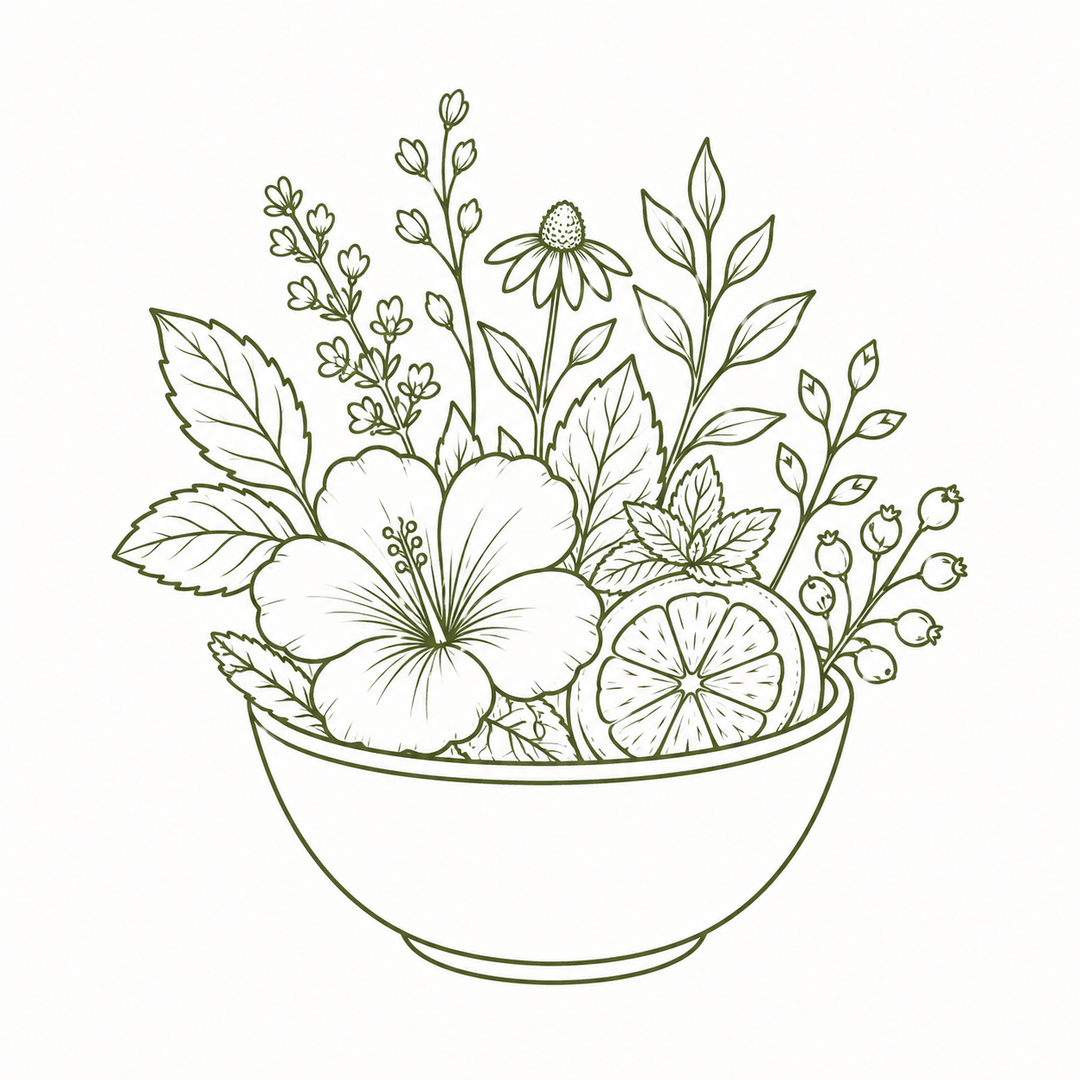
Herbal Tea Blends
Herbal blends combine flowers, herbs, fruits, spices, and botanicals to create unique naturally caffeine-free tea experiences.
Caffeine-Free Tea FAQs
What is caffeine-free tea?
Caffeine-free tea is any tea or herbal infusion that contains no caffeine. This includes naturally caffeine-free herbal teas made from herbs, flowers, fruits, spices, and botanicals, as well as traditional teas that have been decaffeinated.
Can I drink caffeine-free tea in the evening?
Many people choose caffeine-free herbal teas as part of their evening routine because they want support to wind down naturally. The best bedtime teas offer herbs and florals like chamomile, lemongrass, and spearmint. Whether a particular tea is right for you depends on your personal preferences and the ingredients in the blend.
Which Celestial Seasonings teas are naturally caffeine-free?
Celestial Seasonings offers a wide variety of naturally caffeine-free herbal teas, including Sleepytime®, chamomile, peppermint, fruit, spices, and other herbal blends. Explore the caffeine-free tea collection to discover flavors that match your preferences and routine.
Shop Naturally Caffeine-Free Teas
Explore popular caffeine-free teas including Sleepytime® tea and popular herbal blends.

from $5.49
Quick Add to Cart
Select size1 box (20 tea bags) - $5.49|6-Pack (6 x 20 tea bags) - $30.69 |
$5.11 per box - SAVE $2.25! 12-Pack (12 x 20 tea bags) - $59.23 |
$4.93 per box - SAVE $6.65! 24-Pack (24 x 20 tea bags) - $107.76 |
$4.49 per box - SAVE $24.00! 1 box (20 tea bags) - $5.49
Quantity: Add to cart
- A TEA RITUAL FOR THE END OF YOUR DAY Caffeine-free, so there's ..., 3 days ago · Caffeine-free, so there's no late-night buzz, no crash, just a slow, calming moment to wind down. Our Buckwheat Tea with Mango & Passion Fruit ...
- No more FOMO with our caffeine-free collection! Herbal tea ... - Facebook, This makes it the perfect caffeine free brew to help you relax and unwind! We've got a great range of flavoursome loose leaf herbal teas for ...
- Caffeine Free Tea - A Beginners Guide! | Bird & Blend Tea Co., Skip to content
Free Delivery On Orders Over $175\ \ \ \ Free Delivery On Orders Over $175
Free Delivery On Orders Over $175\ \ \ \ Free Delivery On Orders Over $175
Free Delivery On Orders Over $175\ \ \ \ Free Delivery On Orders Over $175

Over the years more and more people have been asking us for Caffeine Free or Decaf Teas and with the largest selection of naturally Caffeine Free Tea in the UK we are sure we have something for everyone! But, we appreciate that you may not know where to start, so here are a few handy tips to get you started if you are a Caffeine Free Tea beginner!
Tea Types & Colours:
We have three tea types in our Caffeine Free selection:
Each of these types of tea have different properties, flavour profiles & suit different brewing techniques... But all are naturally Caffeine Free, and delicious!
Rooibos Tea:

A leaf native to South Africa that is dried and blended in a similar way to the tea leaf. We then blend other ingredients with our Rooibos as a base.
Great hot, with or without milk & suits all types of milks, including plant milks. Fruiter or dessert-y Rooibos Blends are great cold brewed in any milk. Brew for 4+ mins. 100° water. You can add sweetener of choice but most of our customers find our Rooibos Blends don't need it, especially when enjoying with milk.
Our customers tell us they get a hint of vanilla in most of our Rooibos Teas. We have spiced & chai Rooibos Blends, fruity Rooibos Blends & vanilla or cake type Rooibos Blends & all are delicious. Check out the CommuniTEA reviews on each tea's product page to see what other customers think.
Explore our Rooibos Teas here.
Herbal Tea:

Also known as a tisane, we class Herbal Teas as any blend that is made predominantly from a herb, root or flower. Some examples are rose, ginger, chamomile, mint or lemongrass (be sure to check out our Ginger Teas and Mint Teas).
Great hot, and always without milk. Brew for 4+ mins. 100° water. Fruiter or minty Herbal Blends are great cold brewed in water or lemonade, and taste great garnished with some mint or sliced fruit!
A lot of herbs are used in teas for their complete benefits, such as chamomile & lavender for sleep or mint & ginger for digestion.
Don't be put off by our Herbal Teas that have liquorice root in them. The root of the plant doesn't taste like the sweets that you had as a child! It is a naturally sweet root, so activates your sweet taste buds, but with zero sugar needed. Most of our Herbal Teas are fairly floral, minty or fruity, with some fun exceptions like our Chilli Teas!
Explore our Herbal Teas here.
Fruit Tea:

Also known as a Fruit Infusion, we class Fruit Teas as any blend that is made predominantly from fruit pieces.
Great hot,and usuallywithout milk. Brew for 4+ mins. 100° water. Fruit Teas are brilliant cold brewed in water, lemonade or infused into spirits, and taste greatgarnished with some mint or sliced fruit! Some of our Fruit Teas are also amazing cold brewed in any type of milk, such as Eton Mess.
Don't be put off by our Fruit Teas that contain hibiscus. We know lots of other tea brands overuse this ingredient (and it can be quite tart!) but we use it sparingly to bring out berry flavours in our Fruit Teas.
Our top selling starter Fruit Teas are: Strawberry Lemonade, Blueberry & Peach & Cococabana Coola. Explore our Fruit Teas here.
Explore our Caffeine-Free Tea range here!
Other 'Tea Academy' articles that you might find interesting:
That is a great question!
All of our decaf teas are naturally caffeine-free. None of our blends have had the caffeine removed, hence there being no black caffeine-free teas. The two main processes of removing caffeine are chemically stripping it which leaves a residue or a Co2 process which is very expensive and neither of them fully remove the caffeine from the leaf.
As an alternative the only thing close to it we have is our Rooibos Earl Grey.
Lynne May 14, 2021
Do you do a straight forward decaf black tea. My husband loves your Great British Cuppa but should only be drinking decaf/caffeine free. A decaf version of this would be wonderful.
Leave a comment
Post comment
Featured collection
- How to Start a Herbal Tea Business: A Complete Guide, # How to Start a Herbal Tea Business: A Complete Guide
Table of Contents
Understanding the Herbal Tea Market and Your Niche
Successful entrepreneurs identify a specific niche, organic blends for sleep, energizing combinations, or specialty culinary teas, rather than trying to appeal to everyone.
Before investing in inventory, research your target customer. What problems are they solving? What price point makes sense? Are they seeking convenience, health benefits, sustainability, or exotic flavors? The loose leaf segment has gained traction among discerning consumers who value freshness and customization. At Octavia Tea, we work with retailers and spas who recognize that premium loose leaf tea commands higher margins and builds customer loyalty.
Will you sell wholesale, direct-to-consumer, or both? Your answers shape licensing requirements, startup costs, and operational complexity.
Sourcing and Developing Your Tea Blends
!Professional illustration showing how to start a herbal tea businessProfessional illustration showing how to start a herbal tea business
Finding reliable wholesale suppliers for herbal ingredients is critical. Quality, consistency, and trustworthiness separate successful tea businesses from those struggling with product inconsistency or supply chain disruptions. You need suppliers who guarantee organic certification, provide batch testing results, and maintain consistent flavor profiles.
Most small tea producers work with specialty distributors rather than sourcing directly from farmers. These distributors handle import logistics, quality testing, and compliance documentation. They typically require minimum order quantities of 5-25 pounds per ingredient. Start with a focused product line using 5-8 core ingredients rather than attempting 20 different blends immediately.
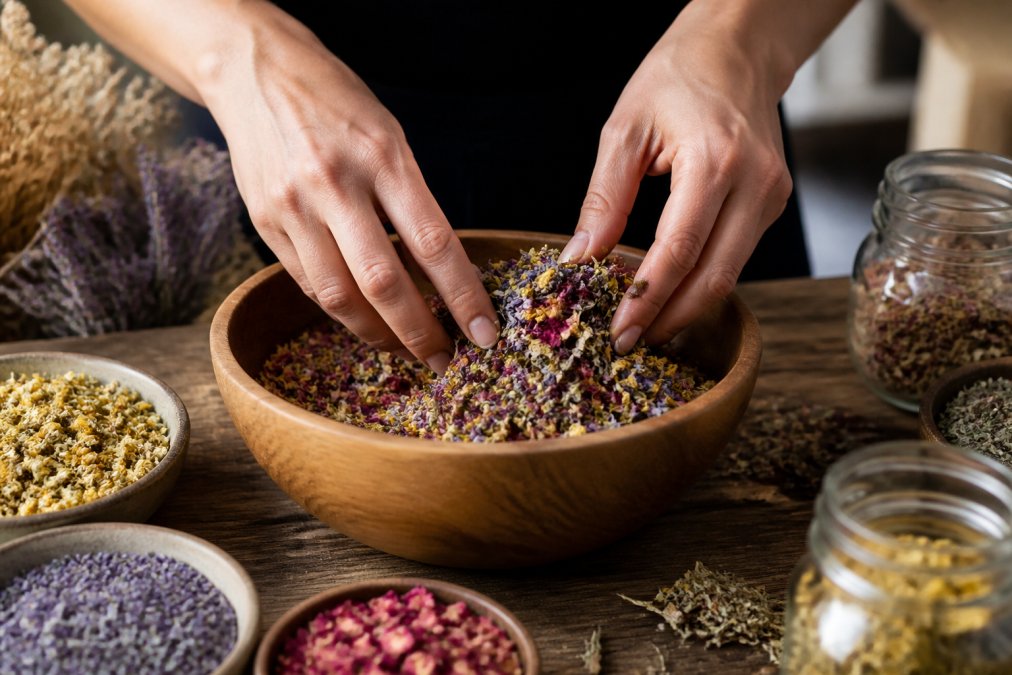
Develop unique blends through systematic testing. Most successful blends use a base ingredient (like chamomile or rooibos) comprising 40-60% of the blend, with 2-4 complementary herbs adding flavor and functional benefits. Natural flavor essences and essential oils can enhance your profile but must be food-grade and clearly disclosed on your label.
Once blended, your tea should be consumed within 6-9 months for optimal flavor ( peer-reviewed research). Plan production runs around realistic sales velocity.
Document every blend's ingredient list, sourcing information, and testing results.
Finding Reliable Loose Leaf Tea Wholesale Suppliers
Dried herb distributors supply bulk ingredients but don't handle blending or packaging. You assemble blends yourself, offering maximum control but requiring your own commercial kitchen and equipment. Minimum orders are typically 5-25 pounds per ingredient.
Tea-specific importers focus exclusively on tea and herbal ingredients, offering higher quality control and more consistent flavor profiles. Many provide private label services where they blend and package under your brand name.
Co-packing relationships offer the most turnkey approach. You provide your blend formula, and the co-packer handles sourcing, blending, packaging, and labeling. This eliminates your need for commercial kitchen space and equipment. Co-packers typically require minimum order runs of 500-1,000 units per SKU.
Evaluate suppliers on minimum order quantities, lead times, price per pound, quality consistency, and willingness to work with small businesses. Understand whether suppliers lock in prices or adjust them quarterly. Premium organic herbs cost more but protect your brand reputation and justify retail pricing.
Packaging, Branding, and Getting to Market
Loose leaf tea requires packaging that protects against moisture, light, and air exposure while remaining visually distinctive.
Kraft bags are affordable and eco-conscious; tin containers create a premium perception and offer better protection.
Customers buy herbal tea partly for the product and partly for the narrative, organic sourcing, sustainable farming, artisanal blending.
Choose a color palette reflecting your positioning. Natural earth tones or calming greens appeal to wellness-conscious consumers; minimalist design and premium materials signal quality for upscale positioning.
Pricing Strategy, Startup Costs, and Profitability
Premium loose leaf tea typically retails for $8-15 per ounce. A 2-ounce pouch might retail for $12-18.
Ingredient costs for a premium herbal blend typically run $1-3 per 2-ounce serving. Add packaging costs of 50 cents to $2, labeling, and overhead, and your total landed cost might be $2.50-5.50 per unit.
This lower margin requires higher volume to be profitable.
Marketing and Selling Your Herbal Tea Business
Direct-to-consumer requires different tactics than wholesale.
Instagram and Pinterest work well for tea brands because the product is visually appealing. Email marketing builds repeat purchase behavior; customers receiving regular emails about new blends have higher lifetime value.
Content marketing establishes authority. This attracts organic search traffic and positions you as knowledgeable.
Identify target retailers, spas, and cafes aligned with your brand positioning. Approach them with samples and a wholesale proposal. Offer point-of-sale materials, social media content, or co-marketing opportunities.
Customer retention is more profitable than constant acquisition. Build email lists, create loyalty programs, and develop seasonal offerings that encourage repeat purchases.
The key challenge is building a sustainable operation that maintains quality while scaling production. You need reliable suppliers delivering consistent product, packaging that communicates your brand story, and pricing that covers costs while remaining competitive. Focus first on developing exceptional blends that justify premium pricing. Explore our Intro to Tea Tasting Set to understand what premium loose leaf tea tastes like, then use that standard as your benchmark for your own blends.
Frequently Asked Questions
Do I need a license to sell herbal tea?
Yes.
- How to Make Your Own Tea Blend | 10 Base Ingredients for ... - YouTube, # How to Make Your Own Tea Blend | 10 Base Ingredients for Making Your Own Tea Blends Easy Ep. 2
How to Make Your Own Tea Blend | 10 Base Ingredients for Making Your Own Tea Blends Easy Ep. 2
Beyond the Bag
Beyond the Bag
6.1KLikes
244KViews
2019Apr 30
Our Instagram: @beyond.the.bag
So, the first 2 ingredients we are going to be using are black and green tea loose leaf.
Black tea is the most common kind of tea and also the darkest. It carries a bold hearty flavor and notably has the most caffeine of any tea type. Teas like Earl Grey and Chai are all built on a base of black tea. An English or Irish breakfast will work beautifully. The specific variety doesn’t matter too much especially since any subtle differences will likely be hidden once we blend other spices with it.
Despite coming from the same plant as black tea, green tea couldn’t be more different. It has a distinctive green color and a more grassy flavor. It works really well with fruit and floral flavors. While it doesn’t have the same levels of caffeine as black tea, it still has a bit just to perk things up.
Next, we move on to herbal teas. Another tea regular you might be familiar with we will make use of dried peppermint leaves or as they are more commonly known peppermint tea. They have great calming effects and are great for the stomach. It also has a great taste that can add a nice touch to a blend.
Hibiscus petals are our next addition. They have an intense deep red color paired with a strong sour fruity floral taste that is wonderful! It also helps to lower both blood pressure and blood sugar which is quite handy. It can be a bit hard to find outside of specialty tea stores so I’ll leave a link down below to where you can find it online.
Next, Licorice root. It has a nice flavor that hangs around on your pallet. It is incredible for sore throats! You can feel it working while drinking it! It is not commonly found except in specialty stores or health food stores, so I’ll leave a link in the description to where you can find it online.
Finally, our last herbal tea is Chamomile. It's great for relieving stress, promoting calm, and aiding sleep. It serves as a great base when green or black tea’s caffeine isn’t desirable such as before bed.
Any list of blending ingredients would be incomplete without ginger. This superstar spice has it all. The unbeatable flavor and a very long list of health benefits that make it useful for a wide range of ailments including but not limited to congestion, upset stomach, and even joint pain! We will be using just the plain powdered variant available in the spice aisle of any supermarket.
Next up we have cinnamon. It packs a punch in both flavor and health benefits including lowering blood sugar levels and helping reduce the risk of heart disease.
We go on to another potent spice with Turmeric, the spice that gives curry it's coloring. It also carries a very bright and concentrated yellow color.
It is the spice that gives chai most of its yummy holiday type flavor. It has a very unique anti-cavity property and helps prevent fat build up around the liver.
So, using these 10 ingredients we will go through a series of blends and tea-based beverages that you can follow along with at home and hopefully create some of your own!
…...more
...more Show less
How this was made
Auto-dubbed
Introduction to tea blending Introduction to tea blending \ \ 0:00
Black and green tea bases Black and green tea bases \ \ 0:16
0:16
Herbal tea ingredients Herbal tea ingredients \ \ 0:50
0:50
2:04
Show transcript
Video details
Start an Herbal Tea Garden in Your Yard!

Trump LOSES THE CROWD, they’re SICK of him

Loose Leaf Tea 101 - Everything You Need to Know
Nioteas TV
100K1y ago

How To : The Art of Making Loose Tea | TEALEAVES
TEALEAVES
1.1M13y ago

Cozy Up With These Homemade Tea Recipes
Mountain Mama's Home
27K2y ago

20 Herbal Teas That Can Improve Your Lifestyle and Overall Well-Being | Healthy Living Tips
178K6y ago
